FinNews

Digital Escrow Services
Escrow, FinNews

Digital Escrow: Revolutionizing Trust and Security in Fintech Transactions

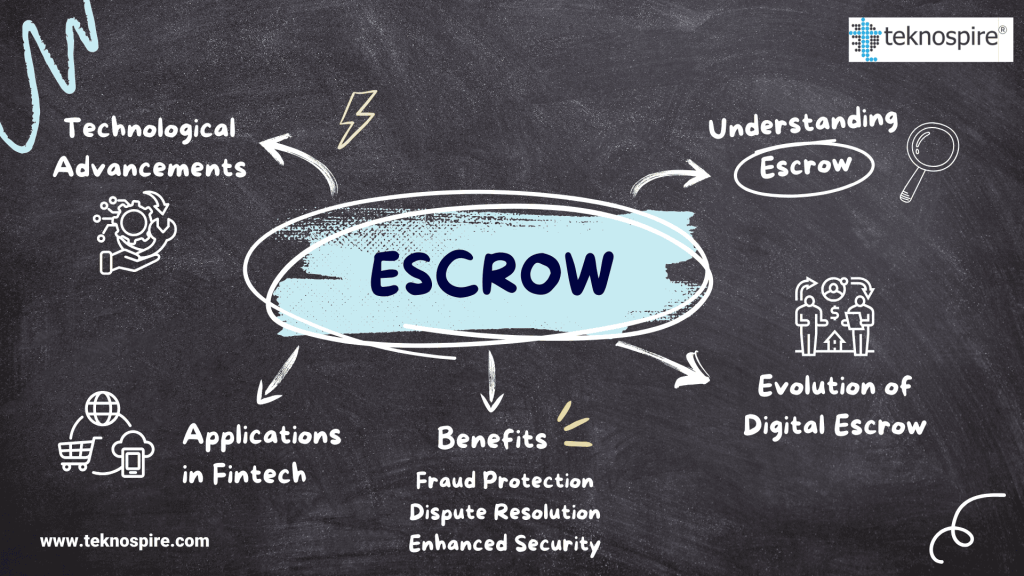
Digital Escrow services play a pivotal role in modern financial transactions, offering a secure and trustworthy method for managing payments between parties.  In the fintech sector, digital escrow solutions have become essential, ensuring the safety and efficiency of online transactions. Understanding Escrow An escrow arrangement involves a neutral third party holding funds or assets on behalf of transacting parties until predetermined conditions are met.  This mechanism safeguards both buyers and sellers, ensuring that funds are only released when all contractual obligations are fulfilled. The Evolution of Digital Escrow in Fintech With the rapid advancement of technology, traditional escrow services have evolved into digital platforms, seamlessly integrating into the fintech ecosystem. These digital escrow services offer enhanced security, transparency, and efficiency, making them indispensable in today’s digital economy. Benefits of Digital Escrow Services Applications in Fintech Digital escrow services are particularly beneficial in sectors such as e-commerce, real estate, and online marketplaces, where large sums of money are exchanged, and trust between parties is paramount. For instance, in online auctions involving high-value goods, escrow services ensure that buyers receive the goods as described before funds are released to the seller. Technological Advancements in Digital Escrow Digital escrow services are becoming smarter with the help of advanced technologies: These technologies remove the need for middlemen, speed up the process, and reduce human errors, making digital escrow services faster, safer, and more reliable for everyone. Conclusion Digital escrow services are revolutionizing the way financial transactions are conducted in the fintech industry. By providing a secure, transparent, and efficient means of managing payments, they build trust between parties and facilitate smoother transactions. As technology continues to advance, the role of digital escrow in fintech is set to become even more significant, offering innovative solutions to meet the evolving needs of the digital economy.

Embedded Payments
Embedded Payments, FinNews

Embedded Payments: A Seamless Future for Digital Transactions

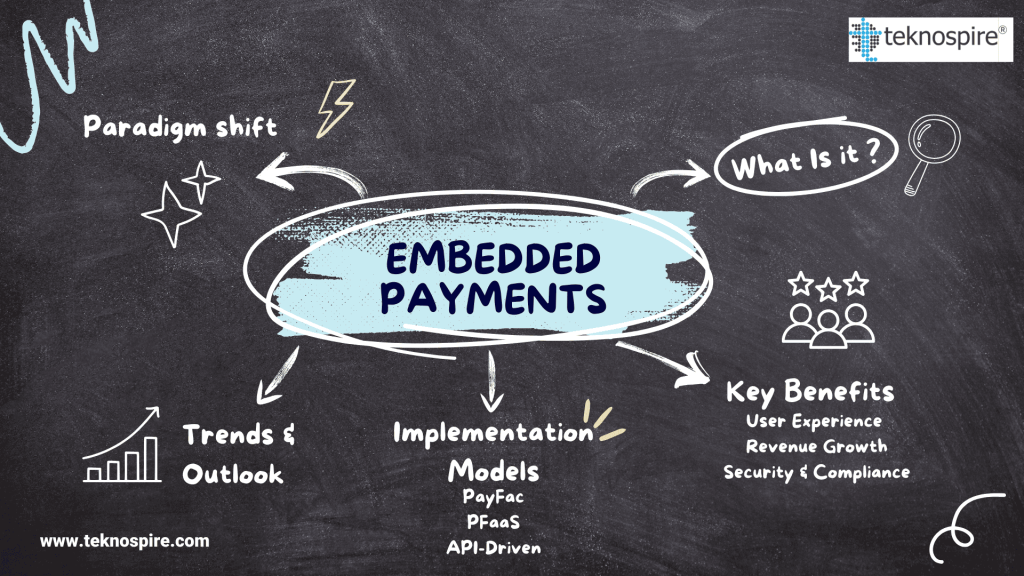
Embedded payment solutions are transforming digital platforms, allowing users to make secure, instant payments without ever leaving the platform they’re using.  This shift represents a major advancement in digital finance, enhancing customer experience, improving operational efficiency, and opening new revenue opportunities for businesses. With embedded payments, digital transactions are no longer separate steps but integrated, seamless parts of the user journey. What Are Embedded Payments? Embedded payments are a core component of embedded finance, where financial services like lending, insurance, or payments are integrated directly into a platform’s user experience. Unlike traditional payment processing that redirects users to third-party payment gateways, embedded payments enable transactions directly within a website or app, whether it’s for purchasing a product, paying for a service, or transferring money. This type of integration is already used by companies in industries like eCommerce, transportation, SaaS, and digital banking. For instance, ride-sharing and food delivery apps often offer in-app payment options, allowing customers to pay instantly without any additional steps. Benefits of Embedded Payments Popular Implementation Models for Embedded Payments The Future Outlook of Embedded Payments The embedded payments trend is expected to grow as companies seek to provide frictionless, end-to-end experiences. Industries such as healthcare, real estate, and digital finance are exploring how embedded payments can simplify billing, reduce administrative work, and increase customer satisfaction. The adoption of open banking regulations and API-based financial services is also facilitating a more interoperable, customer-centric payment landscape. Embedded payments represent a paradigm shift in digital finance, offering not only a more efficient payment method but also a strategic tool for business growth, customer retention, and revenue expansion.

Finternet by Nandan Nilekani- Teknospire
FinTech, FinNews, FinTech Content, Fintech Regulation, FinTech Trends

Finternet: Revolutionizing the Future of Finance

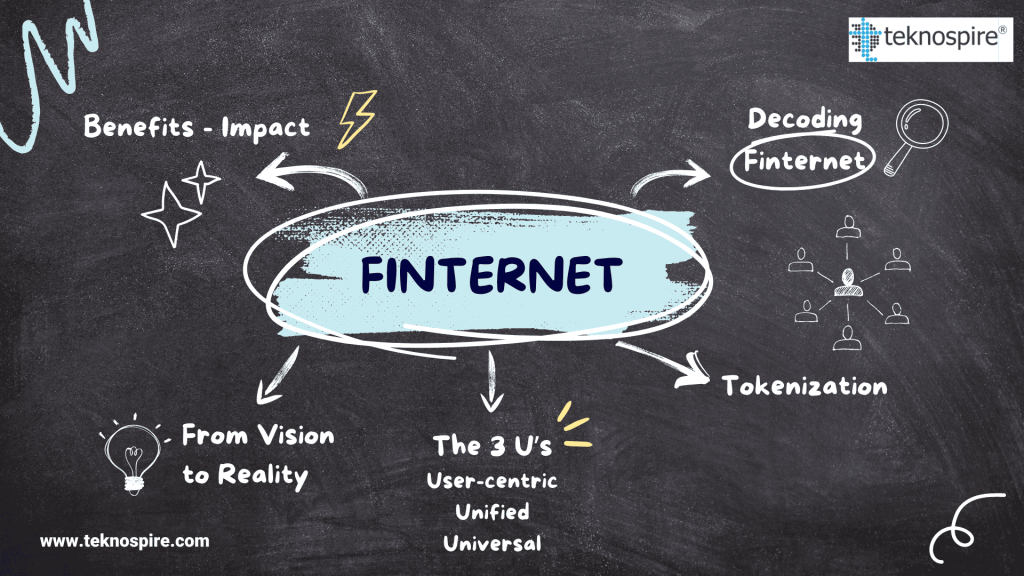
In the rapidly evolving world of financial technology, a new concept is emerging that promises to reshape how we interact with money and assets.  Finternet – a term coined by Nandan Nilekani, the visionary co-founder and chairman of Infosys along with Agustín Carstens. But what exactly is Finternet, and why should it matter to you? Let’s dive in. What is Finternet? Finternet represents the next leap in financial systems, blending the best of regulated finance with revolutionary tokenization technology. It’s not just another buzzword, it’s a paradigm shift that’s already underway. The Three U’s of FinternetNandan Nilekani describes Finternet using three key characteristics: The Power of Tokenization At the core of Finternet is the concept of tokenization. Imagine being able to represent any asset – be it land, bonds, artwork, or traditional investments – as digital tokens. This opens up a world of possibilities for how we manage and transfer value. Why Finternet Matters? The Road Ahead While Finternet might sound like a concept from a distant future, Nilekani asserts that it’s already taking shape. Labs worldwide are working on bringing this vision to life, implementing it step by step. Conclusion As we stand on the brink of this financial revolution, it’s clear that Finternet has the potential to transform how we think about and interact with our assets. At Teknospire, we’re excited about the possibilities this brings for financial inclusion and empowerment. Stay tuned as we continue to explore and innovate in this exciting new frontier of finance! Are you ready for the Finternet revolution? Share your thoughts and let’s discuss the future of finance in the comments below!

Scroll to Top